
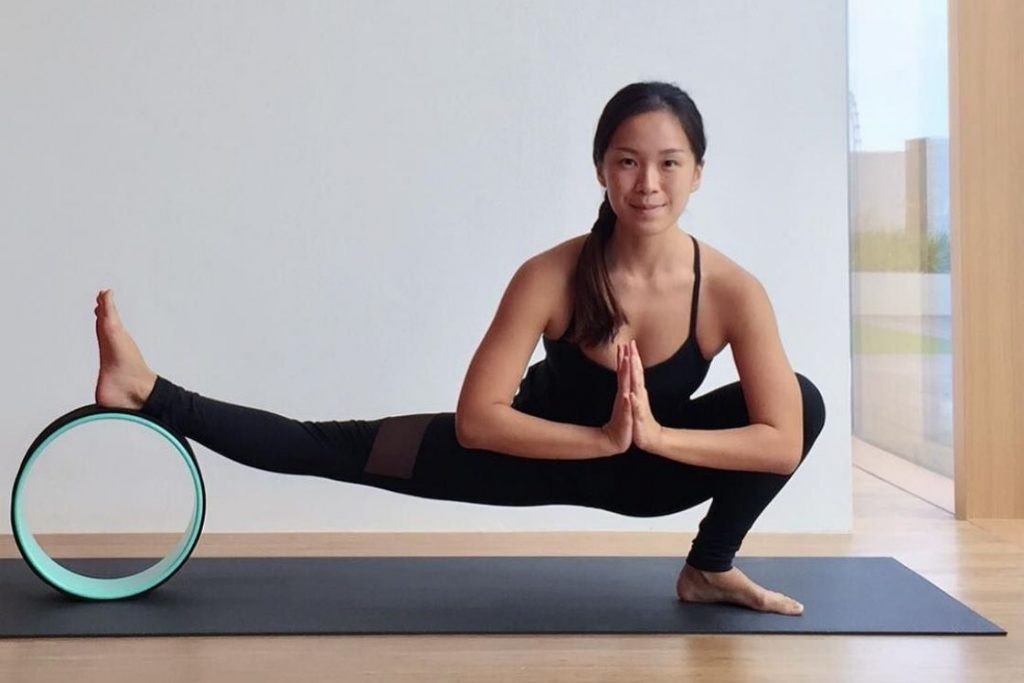
For most of Singapore’s yoga studio history, props were an afterthought. A stack of blocks in the corner, a few bolsters that had seen better days, a collection of straps in various states of fraying. Props were what you offered so that less flexible students could reach the floor. They were infrastructure, not product, and they were priced and maintained accordingly.
That framing is changing, and the change is being driven partly by the yoga wheel and the category of practice tools it represents: props that are not simply accessibility aids but are genuine training tools that unlock capabilities beyond what unaided practice can achieve, and that serious practitioners are willing to invest in meaningfully.
Why the Yoga Wheel Specifically Changed the Conversation
Previous generations of yoga props, the block, the strap, the bolster, are fundamentally modification tools. They bring the floor closer, extend the practitioner’s reach, or support the body in positions that muscle weakness or flexibility limitations make unsupported. Their function is to make existing yoga positions accessible. They do not enable practices that are otherwise impossible.
The yoga wheel is different. It enables specific movement and training applications, specifically the thoracic mobilisation and progressive backbend development described in the previous two articles, that are genuinely difficult or impossible to replicate through any other means at equivalent safety and effectiveness. This functional distinctiveness means it is not competing with free alternatives in the practitioner’s mind. It is offering something specific that cannot be obtained without it.
This distinction between accessibility prop and capability prop changes the commercial dynamic substantially. Practitioners who understand what the wheel enables are willing to invest at a price point that reflects genuine capability rather than simply purchasing a piece of foam.
How Studios Are Building Props Into Their Revenue Architecture
The studios in Singapore that have been most commercially intelligent about props revenue have moved beyond the simple retail shelf model, where props are available for purchase but are essentially incidental to the studio’s primary offering, to a more integrated approach that connects props to programme value in ways that make the purchase feel natural and necessary rather than optional.
Programme-specific equipment bundles represent one of the more effective models. A studio running a dedicated yoga wheel programme or a back health series featuring yoga wheel work has a natural commercial case for offering a curated equipment bundle that includes the wheel alongside the specific props the programme uses. Participants who have committed to a programme and who understand the role of the equipment in achieving the programme’s outcomes are considerably more likely to purchase the bundle than random retail customers browsing a props shelf.
The rental-to-own pathway, where studios offer quality equipment for rental during studio sessions and provide a pathway to purchase with the rental fees offset against the purchase price, converts casual equipment users into owners at a much higher rate than cold retail. A practitioner who has used a specific yoga wheel in twenty sessions and has come to rely on it for their thoracic mobility work will buy that wheel when given a straightforward purchase opportunity. The rental history reduces the uncertainty that inhibits equipment purchase decisions.
Teacher endorsement, where a studio’s trusted teachers specifically recommend particular props to students based on their individual practice needs, converts teacher credibility into retail confidence. The student who is told by a teacher they trust that a specific yoga wheel would address the thoracic restriction they have been working on together is making a purchase informed by a trusted professional opinion rather than browsing consumer research. This conversion dynamic is substantially stronger than generic retail and justifies the investment in staff product knowledge.
The Certification and Education Revenue Layer
The most commercially sophisticated position in Singapore’s yoga props market is not retail but education: training programmes that teach teachers and dedicated practitioners how to use specific props therapeutically, building a community of knowledgeable users whose practice quality and equipment investment both benefit from the education.
Yoga wheel certification programmes, while still relatively new, are finding receptive audiences among Singapore’s yoga teachers and therapeutic practitioners who recognise the tool’s clinical utility and want to use it appropriately with their own students. A one or two-day intensive that teaches the thoracic mobilisation, backbend progression, and spine health applications of the yoga wheel, delivered by a teacher with genuine biomechanical depth, commands a price point well above a standard workshop while creating the kind of professional credibility that participants can translate into enhanced private instruction rates.
The education investment creates a downstream retail opportunity as well. Workshop participants who have learned to use a tool effectively are qualified buyers for that tool, and the conversion from workshop participation to equipment purchase is consistently high when the purchase opportunity is presented naturally as part of the educational experience.
Studios like Yoga Edition that have invested in developing genuine yoga wheel expertise, both in their teaching team’s ability to use the prop therapeutically and in their capacity to educate others in its application, are positioned to capture revenue across the full props ecosystem: studio retail, rental, workshop education, and the increased private instruction demand that specialist expertise generates.