
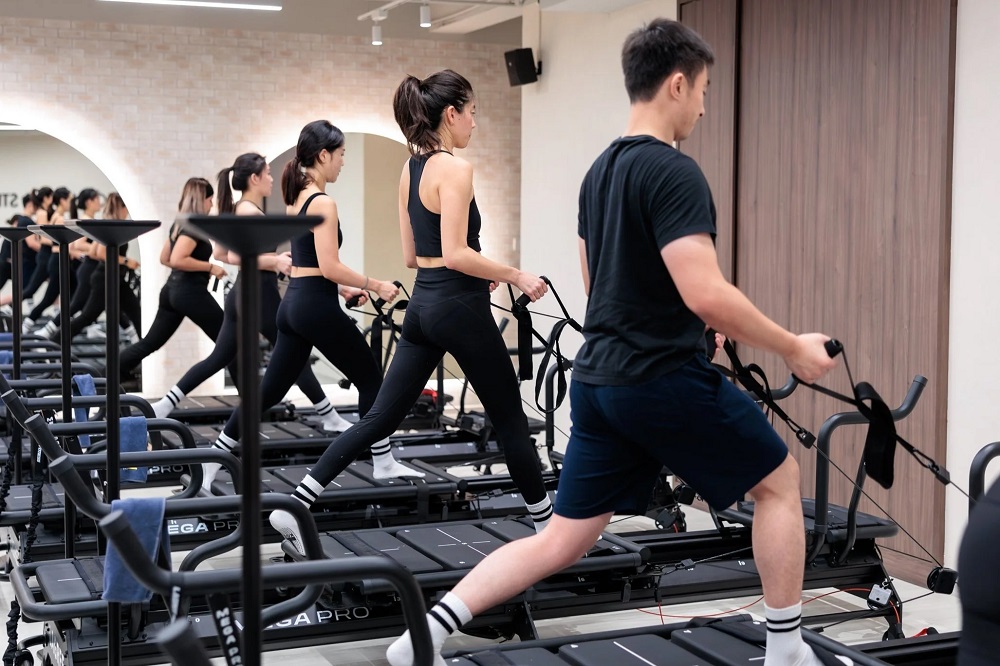
Singapore’s wellness industry has grown from a niche lifestyle segment into a significant pillar of the broader economy. At the centre of this growth sits the modern gym singapore professionals, executives, and corporations are increasingly embracing, not just as a personal health choice but as a measurable business strategy. The intersection of fitness and commerce in Singapore is creating new business models, reshaping workplace culture, and contributing billions of dollars to the national economy.
This article examines how the gym singapore market is influencing corporate health strategy, why businesses are investing in employee fitness, and what the broader economic implications of Singapore’s wellness boom really mean.
The Scale of Singapore’s Fitness Economy
Singapore’s health and wellness market has expanded substantially over the past decade, driven by rising incomes, growing health awareness, and government initiatives that actively promote active living. The gym sector specifically has seen significant growth in both the number of facilities and the diversity of fitness offerings available across the island.
From large multi-location gym chains to boutique studios specialising in everything from reformer Pilates to functional strength training, the gym singapore business landscape now caters to a wide demographic spectrum. This commercial expansion is not happening in isolation. It reflects a broader shift in how Singaporeans and Singapore businesses think about health as an investment rather than an expense.
Corporate Wellness: From Perk to Strategic Priority
For many years, gym memberships offered as employee benefits were considered a nice-to-have perk rather than a core component of corporate strategy. That perception has changed dramatically. Singapore employers are increasingly recognising that workforce health has a direct and measurable impact on productivity, absenteeism, talent retention, and healthcare costs.
The Cost of an Unhealthy Workforce
Chronic diseases, mental health challenges, and physical burnout cost Singapore businesses considerably in lost productivity and medical claims. The Ministry of Health in Singapore has been vocal about the economic burden of preventable lifestyle diseases, and the corporate sector has taken notice.
Employees who engage in regular exercise demonstrate measurably better cognitive performance, lower rates of absenteeism, reduced healthcare claims, and higher job satisfaction scores. For businesses doing the arithmetic, subsidising a gym singapore membership for employees begins to look like an investment with a compelling return rather than a cost.
How Corporations Are Integrating Gym Access
Singapore companies are taking several distinct approaches to integrating fitness into their employee experience:
- Subsidised gym memberships: Many medium and large employers provide partial or full reimbursement for gym memberships as part of their flexible benefits package.
- On-site fitness facilities: Larger corporations with significant office footprints are investing in on-site gym facilities, particularly in commercial developments along the Central Business District and one-north.
- Corporate wellness programmes: Structured programmes that combine gym access with nutrition coaching, mental health support, and health screenings are becoming increasingly common in Singapore’s competitive talent market.
- Group fitness challenges: Company-wide step challenges, fitness competitions, and group class bookings at local gyms build team cohesion while promoting health simultaneously.
The Gym as a Productivity Tool
The relationship between physical fitness and professional performance is well-established in business literature. Regular exercise improves executive function, sharpens focus, reduces decision fatigue, and builds the kind of resilience that high-performance work environments demand.
In Singapore’s context, where working hours are long and the pressure to perform is significant, the gym singapore professional community visits regularly is increasingly being positioned as a productivity tool rather than a leisure activity. Forward-thinking companies understand that an employee who trains consistently is a more effective, more focused, and more resilient team member.
Entrepreneurship and Investment in the Fitness Sector
The gym singapore market has also created significant entrepreneurship and investment opportunities. Singapore’s position as a regional business hub has attracted international fitness brands looking to establish a Southeast Asian foothold, while local entrepreneurs have launched innovative boutique concepts that cater to specific niches and demographics.
Private equity and venture capital interest in the Singapore fitness sector has grown alongside consumer demand. Investors are drawn to the sector’s recurring revenue model, the scalability of fitness technology, and the growing appetite among Singapore’s affluent and health-conscious population for premium wellness experiences.
Government Support for Active Living
Singapore’s government has long recognised the economic logic of a healthy population. Initiatives through the Health Promotion Board (HPB) actively encourage physical activity through subsidised programmes, public fitness infrastructure, and workplace wellness grants available to businesses that implement eligible employee health programmes.
These policy tailwinds create a supportive environment for gym singapore operators and businesses investing in corporate wellness alike, reinforcing the sector’s growth trajectory and embedding fitness more deeply into Singapore’s national identity.
The Future of Corporate Fitness in Singapore
The convergence of technology, workplace flexibility, and growing mental health awareness is reshaping corporate fitness in Singapore. Hybrid work models have created demand for more flexible gym membership structures. Digital fitness platforms offer employees the ability to access on-demand workouts regardless of location. Wearable technology and health data analytics are giving HR teams new tools to measure and improve workforce wellness at scale.
For businesses building or expanding their corporate wellness strategy, partnering with established gym networks that offer flexible corporate membership structures, professional class programmes, and multiple outlet access across Singapore is a practical and cost-effective approach. True Fitness Singapore is one such option, offering structured corporate wellness partnerships that give employees across Singapore convenient and consistent access to quality fitness facilities.
Frequently Asked Questions
How do gym singapore corporate memberships typically work for businesses? Corporate gym memberships in Singapore are generally negotiated directly between the business and the gym operator. They typically offer discounted rates based on employee headcount, flexible payment structures, and sometimes dedicated class slots or personal training hours for corporate clients.
What return on investment can businesses expect from employee gym memberships? Studies suggest that for every dollar invested in employee wellness programmes, businesses can expect returns of two to six dollars through reduced absenteeism, lower healthcare costs, and improved productivity. The return varies by industry, workforce demographics, and the comprehensiveness of the wellness programme.
Are gym membership costs tax-deductible for Singapore businesses? Employee wellness expenditure including gym membership subsidies may qualify for tax deductions as staff costs under Singapore’s corporate tax framework. Businesses should consult a qualified tax adviser to determine the specific deductibility of their wellness programme expenses.
How can small businesses in Singapore offer gym benefits without large budgets? Many gyms in Singapore offer flexible corporate packages that are accessible even for small teams. Some gyms provide group membership rates for as few as five employees. Alternatively, businesses can offer a monthly wellness allowance that employees apply toward their own gym singapore membership of choice.
What trends are shaping corporate wellness in Singapore over the next five years? Key trends include the integration of mental health support with physical fitness programmes, the use of health data from wearables to personalise wellness offerings, the growth of hybrid digital-physical fitness models, and increasing demand from employees for wellness benefits as a standard component of compensation packages.