
Electricity is one of the largest operating costs for Thai factories, hotels, cold storage sites and commercial buildings. Grid tariffs shift with fuel cost adjustments under the Ft charge, which makes long-term budgeting difficult. As a result, more Thai businesses are turning to a private PPA to secure cleaner and more predictable power.
A private power purchase agreement (PPA) is a long-term contract between a business and an independent power producer. The producer finances, builds, owns and maintains a renewable energy system, usually solar. The business then buys the electricity it generates at an agreed rate. In Thailand, these contracts typically run for 10 to 25 years.
Signing a private PPA is only the first step. The structure you choose shapes your savings, risk exposure and emissions reporting for many years. A poor fit can tie you to terms that no longer match your operations.
Common Private PPA Structures in Thailand
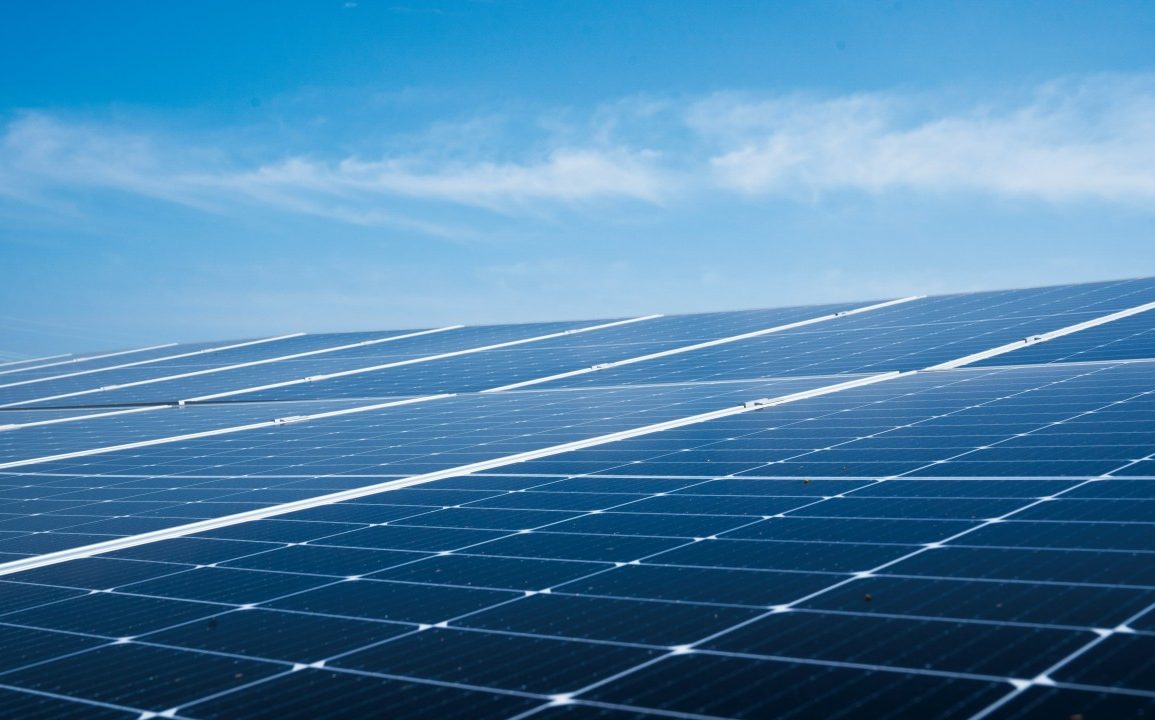
On-site solar PPA. Panels sit on your roof, carport or vacant land, and power flows straight into your facility. This is the most common model across Thai industrial estates. It avoids grid wheeling fees, but output is limited by available space.
Off-site or direct PPA. Power comes from a solar or wind farm at another location and travels through the national grid. Thailand has started piloting third-party access and direct PPA frameworks, mainly for large users such as data centres. Wheeling charges and grid rules apply, so check current regulations before committing.
Virtual PPA. This is a financial contract. You keep buying power from the grid while you and the producer settle the price difference. You receive renewable energy certificates in return. In Thailand, this model is still developing under existing regulations.
Pricing Models Matter
Private PPAs in Thailand generally use one of three pricing approaches:
- Fixed rate: A set price per kWh for the full term. This offers strong cost certainty.
- Discount to grid tariff: A percentage below the prevailing utility rate. Savings rise and fall with grid prices.
- Escalating rate: A starting price that increases by a fixed percentage each year.
Compare each option against your forecast energy use and appetite for price risk.
Factors to Assess Before Signing
Review these points carefully:
- Load profile: Match solar output to your daytime consumption. Excess power may go unused.
- Site tenure: Confirm you will occupy the site for the full contract term.
- Buyout and transfer terms: Understand early exit costs and asset ownership at contract end.
- Performance guarantees: Check minimum output commitments and maintenance obligations.
- Certificate ownership: Clarify who holds the renewable energy certificates.
- Regulatory compliance: Make sure the system meets requirements from the Energy Regulatory Commission and local authorities.
Linking Structure to Sustainability Goals
Thailand targets carbon neutrality by 2050 and net zero emissions by 2065. Exporters face growing pressure from overseas buyers and carbon border measures in markets such as the EU. Your PPA structure affects how you report Scope 2 emissions. Secure clear rights to certificates if you plan to use them for sustainability claims.
No single PPA structure suits every business. Assess your energy demand, site conditions, financial goals and reporting needs first. Then choose the structure that delivers stable costs and credible emissions reductions over the full contract term.