
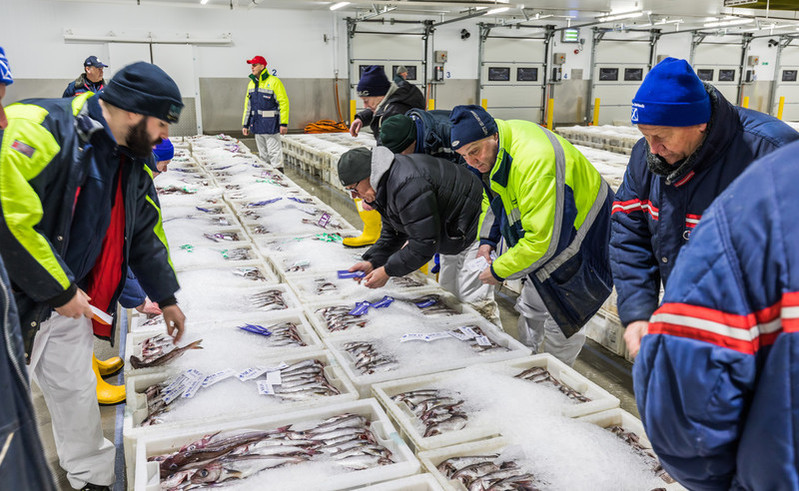
A sustainable seafood business starts long before fish reach the market. It begins with where the catch comes from, how it moves, and what happens once it lands at a seafood processing plant. Each stage adds value or loses it, so the strongest businesses control quality from boat to buyer.
Thailand offers a clear example of how this works at scale. The country ranks among the world’s largest seafood processors, handling huge volumes of tuna and shrimp each year. A modern seafood processing plant in Thailand pairs deep-water port access with skilled labor, turning raw catch into products that meet strict export rules.
The value chain links every step into one system. Sourcing, processing, packaging, and shipping all depend on each other. A well-run seafood processing plant ties these parts together, holding quality steady while meeting the demands of buyers across Asia, Europe, and North America.
Responsible Sourcing
Sourcing sets the tone for the whole chain. Stocks must come from fisheries managed for long-term health, since overfishing threatens both supply and reputation.
- Track the catch. Satellite tools and electronic logs record where and how fish are caught.
- Cut bycatch. Selective gear reduces unwanted species in the net.
- Follow quotas. Data-backed limits let stocks recover while supply stays steady.
Responsible sourcing protects the ocean and gives buyers confidence in the product.
Processing for Quality
Processing decides how much value the catch holds. Speed and temperature control matter most. Fast freezing methods like blast freezing and individual quick freezing form small ice crystals that protect the flesh, so the product thaws close to fresh.
Clean handling at this stage also guards food safety. The faster a catch moves from sea to cold storage, the better the final result.
Value-Added Products
Modern processing puts more of each fish to use. Trimmings and offcuts that once went to waste now become useful products.
- Fish meal and fish oil feed aquaculture and livestock.
- Protein hydrolysates support specialized feed and nutrition.
- Pet food ingredients turn byproducts into nutrient-dense formulas.
This approach lifts revenue per fish and eases pressure on whole-fish catches. It also gives producers a cleaner environmental record.
Certifications and Traceability
Certification has become the language of trust. Labels such as MSC and ASC confirm fish came from well-managed sources. Food safety standards like HACCP and GMP point to careful processing.
Digital traceability ties it together. Batch-level tracking follows product from catch to container, so buyers can verify origin in seconds. This meets the documentation demands of careful importers and reduces risk across the chain.
Thailand’s Role in Global Supply
Thailand has reformed its fishing rules in recent years, tightening controls on labor and catch reporting. Plants run modern freezing lines and follow recognized standards. This mix of scale, regulation, and technology keeps the country central to global seafood supply.
A sustainable seafood business connects each stage with care: responsible sourcing, fast processing, smart use of byproducts, and verified traceability. Thailand shows how a large exporter can meet rising standards. When building or sourcing, confirm certifications, check processing methods, and request traceability data before you commit.